


From Water Damage to Full Rebuild: How the Construction Process Works After Mitigation
Water damage can turn your world upside down in a matter of minutes. A burst pipe, a roof leak after a storm, or flooding from heavy rain in Western North Carolina can leave floors soaked, drywall crumbling, and belongings scattered. When the drying equipment finally comes out and the fans stop running, many homeowners breathe a sigh of relief.
But here’s the truth: mitigation is only the beginning.
If your home has experienced significant water damage, the next phase is reconstruction. Understanding how the construction process works after mitigation helps you know what to expect, how long it may take, and how your insurance company fits into the picture.
Let’s walk through it step by step in a clear, straightforward way.
Step One: Mitigation Comes First

Before any rebuilding can begin, the property must be stabilized. That’s where mitigation comes in.
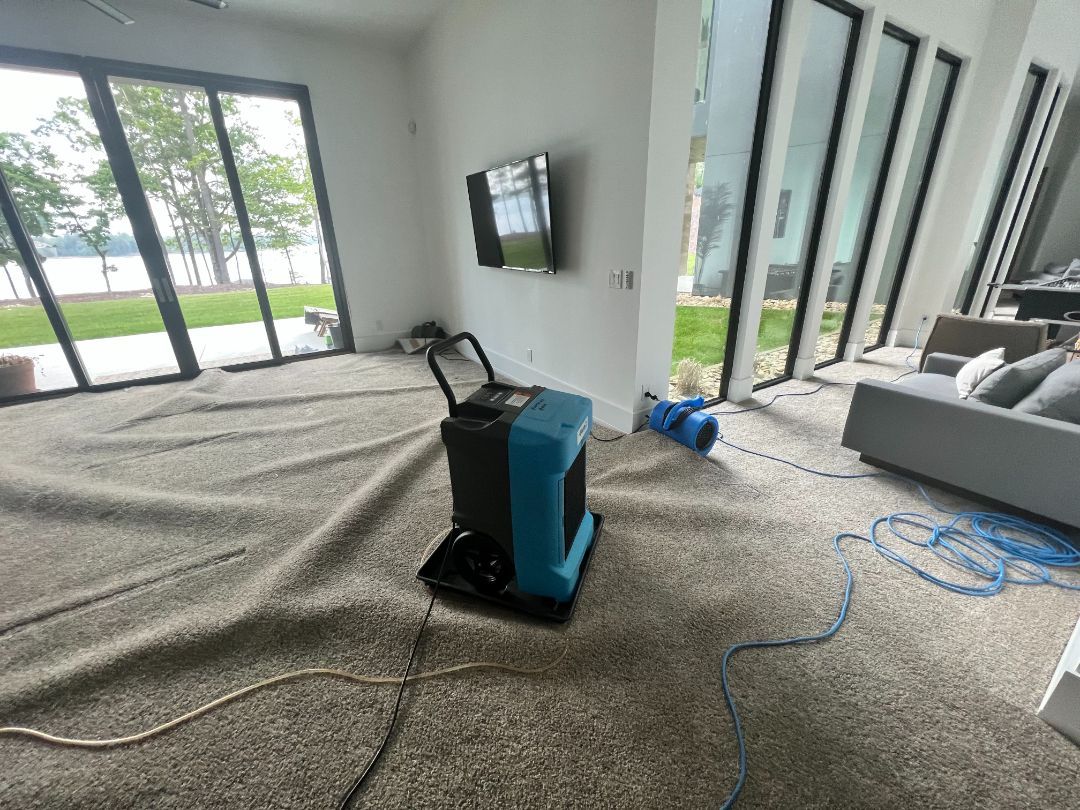
Mitigation focuses on stopping the damage and preventing further problems. This may include water extraction, structural drying, removing damaged materials, and treating affected areas to prevent mold growth.
In Western North Carolina, high humidity can make moisture linger longer than expected. That’s why professional drying is so important. Moisture trapped inside framing, insulation, or subflooring can cause long-term structural damage if not handled properly.
Once the home is fully dry and documented, the rebuild can begin.
Step Two: Damage Assessment and Scope of Work
After mitigation, the construction team performs a detailed inspection of the affected areas.
This stage is about understanding what needs to be rebuilt. That may include drywall, flooring, trim, cabinetry, insulation, framing, or even structural components depending on how severe the water damage was.
The team creates a scope of work outlining the repairs. This document often goes directly to your insurance company for approval. A clear, accurate scope helps prevent delays and ensures nothing is overlooked.
In mountain homes throughout Western North Carolina, water damage can travel in unexpected ways due to sloped terrain and drainage patterns. A thorough inspection ensures hidden damage isn’t missed.
Step Three: Insurance Approval and Planning
If you are filing a claim, your insurance company will review the repair estimate.
At this point, communication matters. Questions may come up about affected areas, replacement costs, or building code requirements. Having proper documentation from the mitigation phase makes this step smoother.
Once approvals are in place, materials can be ordered and scheduling begins.
Planning includes timelines, material selections, and coordination of trades such as electricians, plumbers, drywall installers, and flooring specialists. Every home is different, so timelines vary depending on the extent of the damage.
Step Four: Structural Repairs Begin
With approvals secured, reconstruction starts.
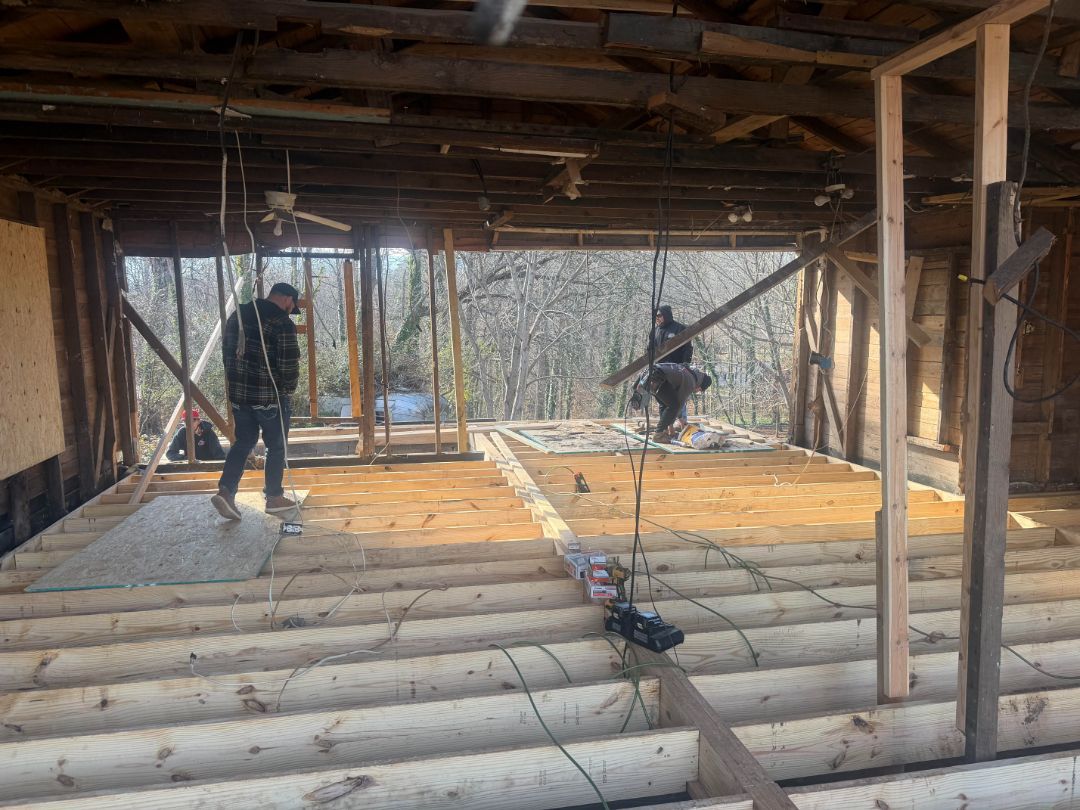
If framing was damaged, structural repairs happen first. Subflooring may need replacement. Roof decking may require reinforcement. This stage ensures the foundation of your rebuild is solid.
In Western North Carolina, homes often face additional considerations like crawl space moisture control or drainage improvements during reconstruction. Addressing these factors during the rebuild helps prevent future water damage.
Structural work is not always visible once complete, but it’s one of the most important phases.

Step Five: Interior Rebuild
Once structural repairs are complete, the visible transformation begins.
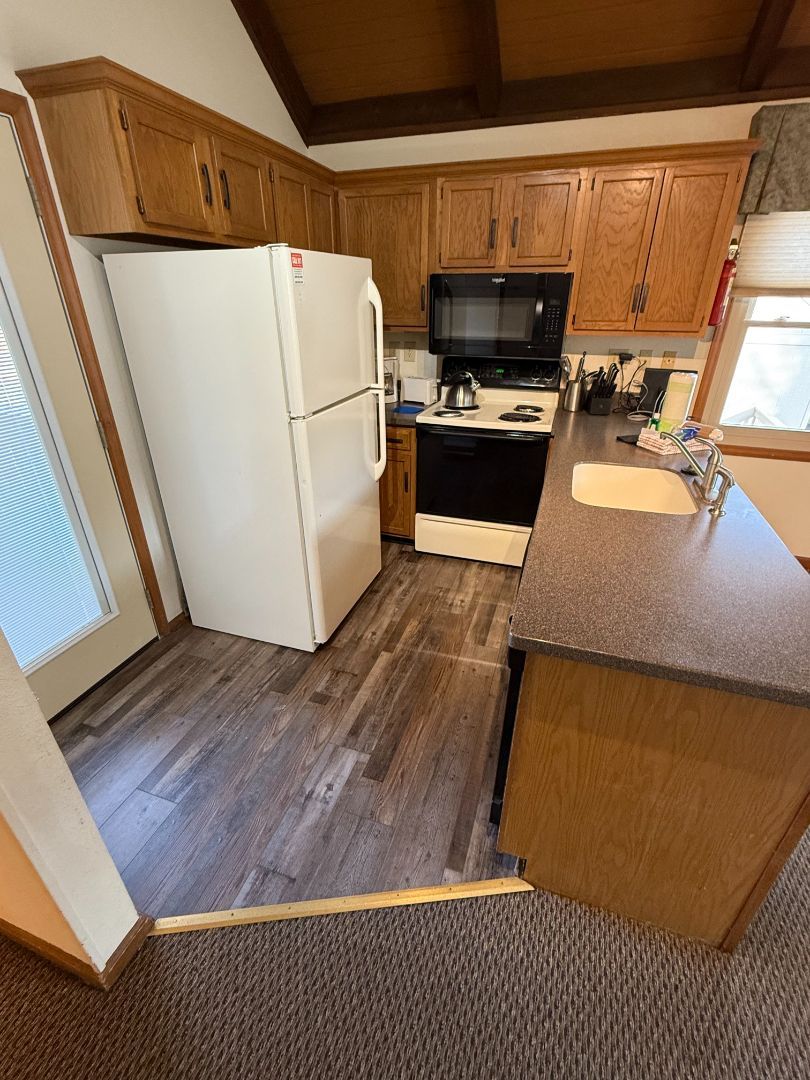
Drywall is installed. Insulation is replaced. Flooring is laid. Cabinets are set. Trim and paint bring the space back to life.
At this stage, your home begins to feel normal again.
Some homeowners use this opportunity to upgrade finishes or make design changes. While the goal of reconstruction is typically to return the home to its pre-loss condition, small improvements are often possible.
Clear communication between you, your contractor, and your insurance company ensures expectations stay aligned.
Step Six: Final Inspection and Completion
After construction is complete, a final walkthrough ensures everything meets quality standards.
This is your opportunity to review the work, ask questions, and confirm that repairs were completed properly. Any final touch-ups are handled before the project is officially closed.
The goal is not just to repair damage, but to restore confidence in your home.

Why the Transition from Mitigation to Reconstruction Matters
Many homeowners assume the hardest part is over once the water is removed. In reality, the reconstruction phase is where planning, coordination, and craftsmanship truly matter.
If mitigation and construction are handled separately, delays can occur between phases. A new contractor may need to reassess the damage. Documentation may need to be reviewed again. That gap can slow your recovery.
Working with a team like Foothills Construction & Restoration ensures continuity from mitigation through full rebuild. Because they manage both damage restoration and reconstruction, there is no disconnect between drying and rebuilding.
That streamlined process often reduces stress and shortens overall project timelines.
Why This Process Is Especially Important in Western North Carolina
Homes in Western North Carolina face unique environmental challenges. Heavy rainfall, mountain slopes, and humid summers increase the risk of water intrusion.
Water damage here can affect crawl spaces, framing, and foundations more aggressively than in drier climates. That’s why proper drying, documentation, and rebuilding are critical.
A rebuild isn’t just about replacing drywall. It’s about ensuring moisture issues are fully resolved so they don’t return.
Moving from Damage to Restoration
Experiencing water damage is frustrating. But understanding the construction process after mitigation helps you move forward with clarity.
Mitigation stabilizes the home. Reconstruction restores it. Together, they complete the recovery process.
From water extraction to the final coat of paint, every step plays a role in protecting your investment. With the right plan — and the right team — your home can move from damage to full rebuild with confidence.
And in Western North Carolina, where weather can be unpredictable, that confidence makes all the difference.
Recent Posts