
Restoration vs. Reconstruction: What’s the Difference — and Why It Matters in Western North Carolina
If your home has ever experienced water damage or storm damage, you know how overwhelming it can feel. One minute everything is fine. The next, you’re dealing with soaked floors, damaged drywall, or a roof that suddenly needs attention.
During that process, you’ll likely hear two terms: restoration and reconstruction. Many homeowners assume they mean the same thing. They don’t.
Understanding the difference can help you make better decisions, especially here in Western North Carolina, where weather and terrain add extra challenges.
Let’s break it down in a simple way.
What Is Restoration?

Restoration is the first step after damage happens. It focuses on stabilizing your home and preventing the situation from getting worse.
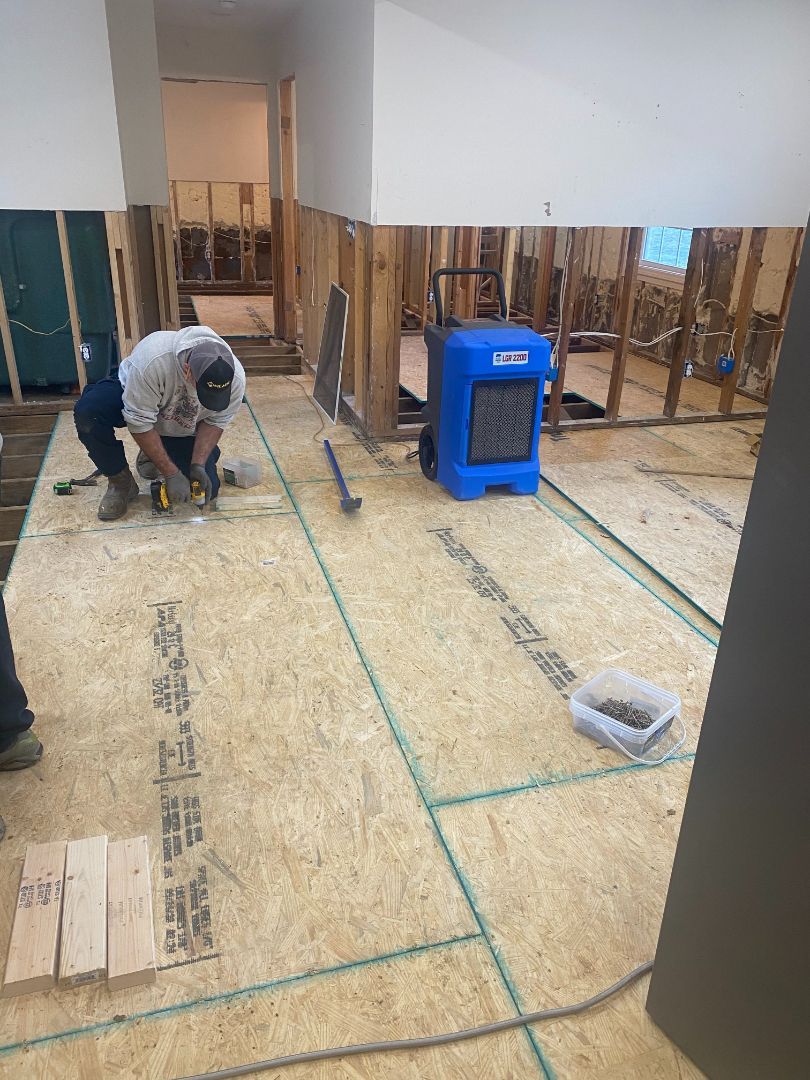
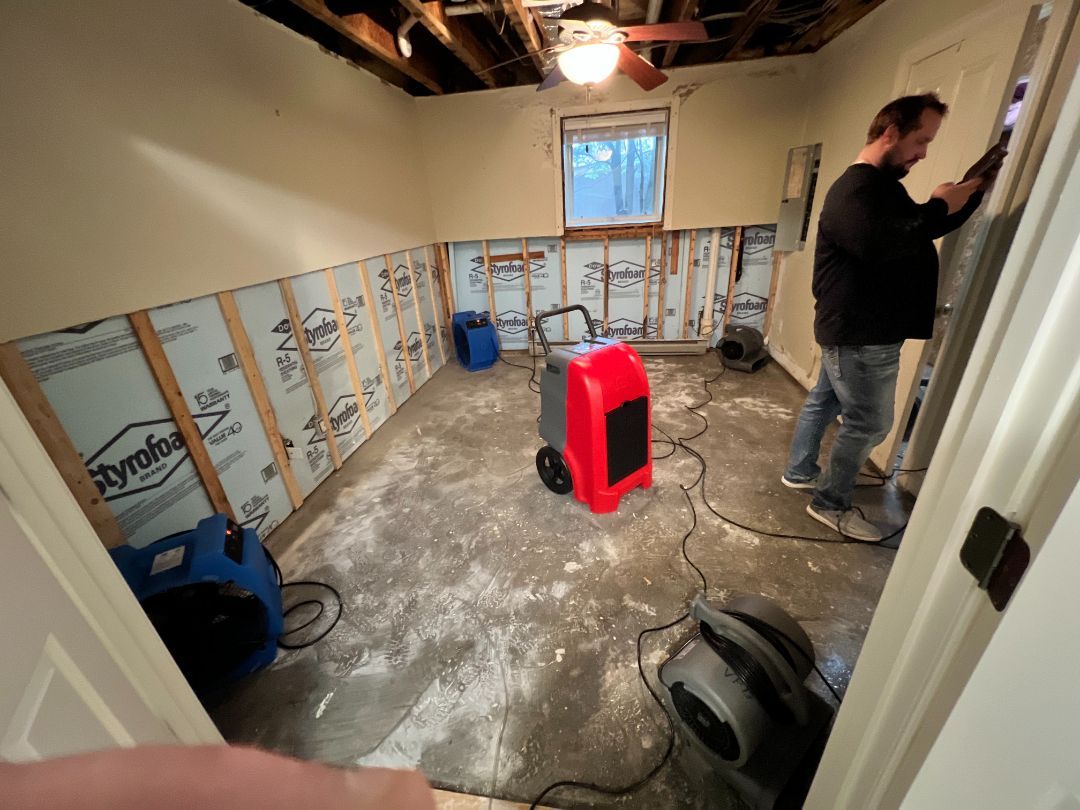
If you have water damage, restoration focuses on removing standing water, drying structural materials, and treating affected areas to prevent mold. If you have storm damage, restoration may include tarping the roof, boarding up broken windows, removing debris, and securing unsafe sections of the property.
Damage restoration is about control. It’s about stopping the spread of moisture, smoke, or structural instability. It is not about cosmetic repairs. It is about protecting what remains.
In Western North Carolina, this step is especially important. Our region gets heavy rain, strong wind systems, and high humidity. Moisture can spread quickly into crawl spaces, framing, and insulation.
Acting fast reduces long-term damage and lowers overall repair costs.
What Is Reconstruction?

Reconstruction begins after restoration is complete.
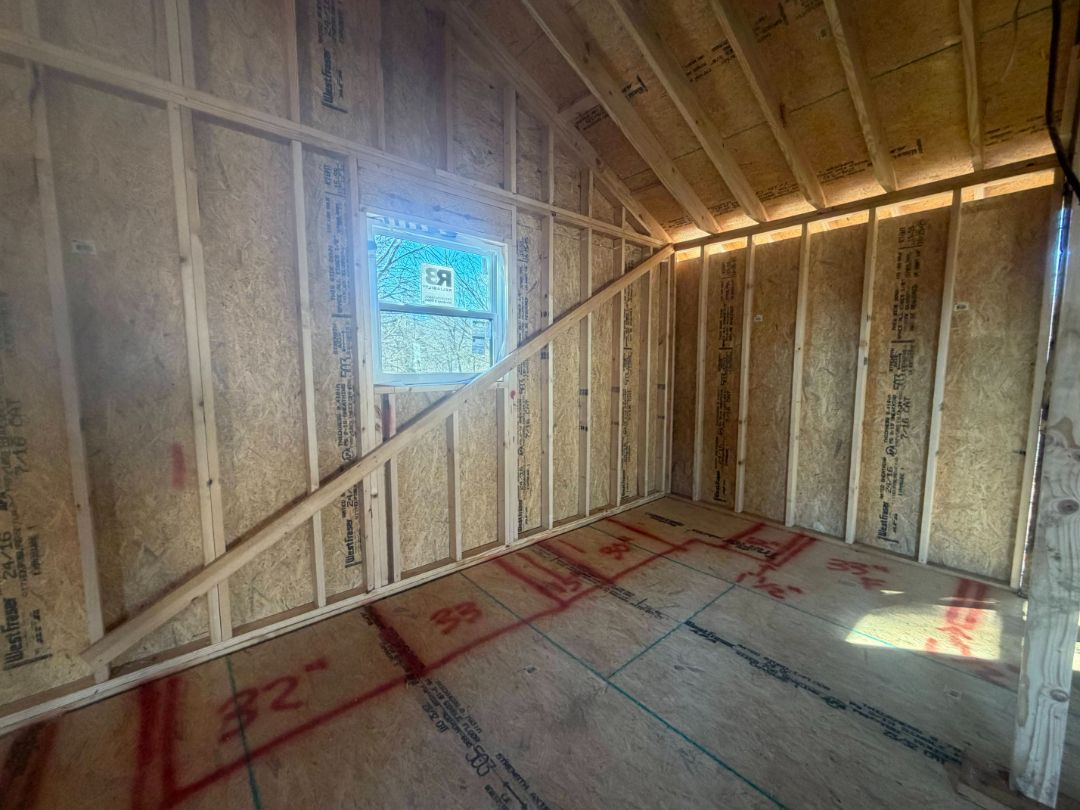
Once the home is dry, stable, and safe, the rebuilding starts. This phase includes repairing or replacing damaged materials so your home looks and functions like it did before.
Reconstruction may involve installing new drywall, flooring, cabinets, roofing, siding, or structural framing. In severe cases, entire rooms or sections of the home may need to be rebuilt.
If restoration is the emergency response, reconstruction is the long-term solution.
And in mountain homes, reconstruction often requires careful attention. Sloped terrain, drainage issues, and lingering humidity can affect structural elements. A proper rebuild must take local conditions into account.
Why Homeowners Get Confused
It’s easy to assume that once the water is gone or the debris is cleared, the job is finished. But that’s usually just the end of restoration.
For example, after water damage, the drying equipment may come out within a few days. The affected areas may look clean and safe. But drywall, flooring, and trim that were removed now need to be replaced. That’s reconstruction.
The same applies to storm damage. Tarping a roof protects your home temporarily. Replacing shingles, decking, or structural supports is the reconstruction phase.
Both steps are necessary. Skipping one creates problems later.
The Role of Your Insurance Company
Insurance carriers often separate mitigation costs from rebuilding costs. That means documentation during restoration is critical. Every affected area needs to be properly recorded from the beginning.
If restoration is incomplete or poorly documented, reconstruction estimates may not fully reflect what needs to be rebuilt. That can slow approvals or create confusion.
A coordinated approach makes the claim smoother. Clear documentation of water damage or storm damage helps your insurance company understand the full scope of repairs.
When both phases are handled together, the transition is easier and communication stays consistent.
Why This Matters in Western North Carolina
Homes in Western North Carolina face unique risks.
We deal with heavy rainfall. We have mountainous slopes that direct water toward foundations. Many homes have crawl spaces that are vulnerable to moisture buildup. Some properties are older and may not have modern waterproofing systems.
Because of these factors, small issues can grow quickly. A minor leak can lead to widespread water damage. Storm damage can extend beyond visible roofing problems and impact structural components.
That’s why restoration focuses first on stabilization and drying. And that’s why reconstruction must be done carefully and correctly.
Local knowledge matters. Rebuilding a home in flat, dry terrain is different from rebuilding one on a slope in a humid mountain climate.
Why Hiring One Company for Both Phases Helps

When restoration and reconstruction are handled by separate companies, delays often occur. A new contractor may need to inspect the property again. Documentation must be shared. Estimates may need to be revised.
That gap between phases can stretch into weeks.
Working with a team like Foothills Construction & Restoration streamlines the process. Because they handle both damage restoration and reconstruction, everything moves forward under one plan.
There’s no confusion about responsibility. No repeating the story. No starting over.
The team that dried the structure understands exactly what needs to be rebuilt. That continuity saves time and reduces stress.
Restoration First. Reconstruction Next. Complete Recovery.
When your home is damaged, you want it fixed correctly the first time.
Restoration focuses on stopping the damage and protecting the structure. Reconstruction focuses on rebuilding what was lost.
Both are essential. One without the other leaves the job incomplete.
If you ever face water damage or storm damage in Western North Carolina, knowing the difference between these two phases helps you ask the right questions. It helps you understand the timeline. And it helps you work more effectively with your insurance company.
Most importantly, it gives you confidence during a stressful time.
Because recovery isn’t just about cleanup. It’s about rebuilding your home the right way — from the inside out.