


What to Do Immediately After Storm Damage in Western North Carolina

Foothills Construction & Restoration • February 12, 2026

Share this article

Storms move fast in Western North Carolina. One minute the sky is clear. The next, heavy rain, strong winds, and falling branches are testing your roof and siding. When the storm finally passes, you step outside — and suddenly you’re staring at shingles in the yard, water pooling near the foundation, or worse.


If you’ve just experienced storm damage, the first few hours matter. Acting quickly can reduce long-term damage, protect your safety, and help your insurance claim go more smoothly.


Here’s exactly what to do immediately after storm damage in Western North Carolina.

1. Make Sure Everyone Is Safe First

Before you inspect anything, check on your family. If there are downed power lines, broken glass, exposed wiring, or structural instability, stay clear.


Mountain storms can cause hidden hazards. High winds may weaken tree limbs. Heavy rain can destabilize slopes. If your home has serious structural damage, it may not be safe to enter until professionals assess it.


If there is active flooding or electrical danger, contact emergency services right away.


Your safety always comes first.

2. Prevent Further Damage (If It’s Safe to Do So)

Once everyone is safe, your next priority is preventing additional damage.


If rain is still coming in through a damaged roof, you may be able to place a tarp over the exposed area. If a window is broken, covering it temporarily can keep more water from entering. If water is pooling indoors, move furniture and valuables away from affected areas.


In Western North Carolina, storms often bring intense rainfall in a short period of time. Water damage can escalate quickly, especially in crawl spaces and basements.


The goal at this stage isn’t to fix everything. It’s simply to limit further harm until professional help arrives.

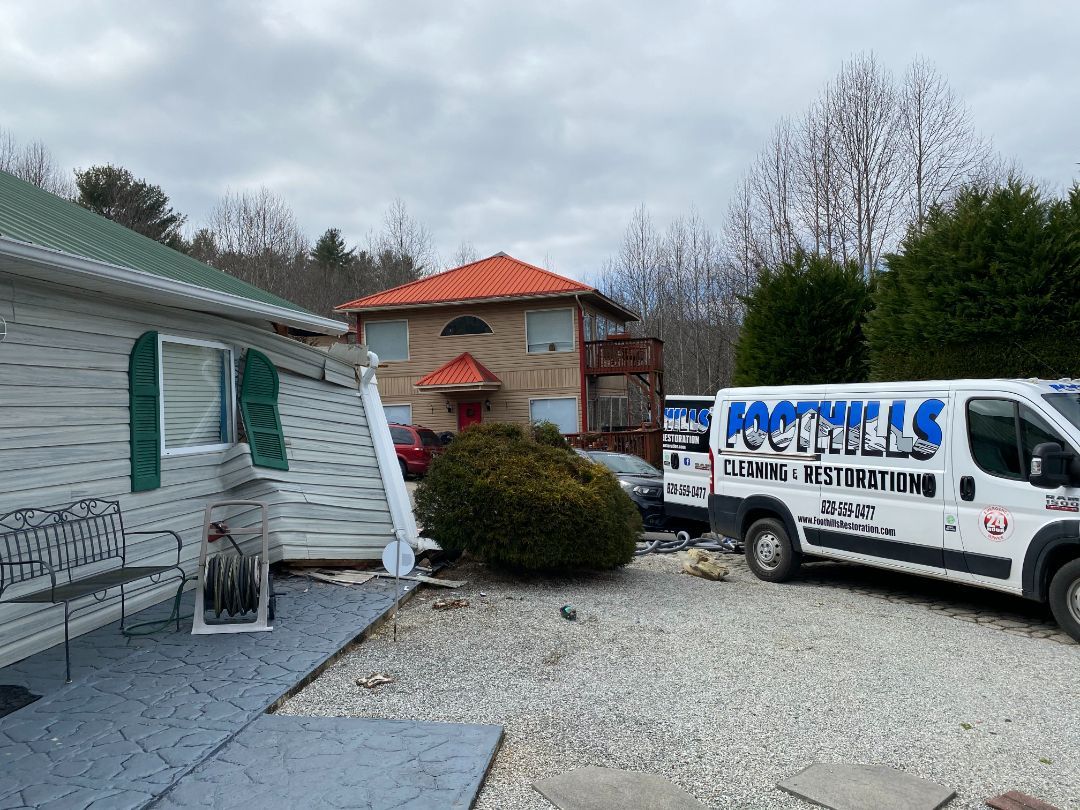
White van with logo parked near a house with an orange roof and a green-roofed building on a cloudy day.

3. Document the Storm Damage Thoroughly

Before cleaning up too much, take photos and videos.


Capture:

  • Roof damage
  • Broken siding
  • Fallen trees
  • Interior water damage
  • Damaged belongings
  • Any affected areas inside and outside the home


Clear documentation is critical for your insurance company. The more detailed your records, the smoother the claims process tends to be.


Avoid throwing away damaged materials until your adjuster or contractor has seen them. Even small details can impact coverage.

4. Contact Your Insurance Company

Once you’ve documented the damage, notify your insurance company as soon as possible.


Explain the situation clearly. Share photos if requested. Ask about next steps and whether temporary repairs are covered. Most policies require prompt reporting, so don’t delay.


Keep notes of every conversation. Record claim numbers and adjuster names. Organization can now prevent confusion later.


Storm damage claims in Western North Carolina are common during certain seasons, which means adjusters can get busy quickly. Filing early helps keep your claim moving.

5. Schedule a Professional Inspection

Not all storm damage is obvious.


A roof may look fine from the ground while shingles are actually lifted or cracked. Wind-driven rain can force moisture into wall cavities. Heavy rainfall can saturate soil and create foundation pressure without visible signs.


A professional inspection ensures hidden damage is identified early. Water damage that isn’t addressed right away can lead to mold growth or structural weakening.


Working with a local company familiar with Western North Carolina’s terrain and weather patterns makes a difference. Mountain properties often face drainage challenges that require specialized solutions.


A team like Foothills Construction & Restoration understands how storm systems impact homes in this region and can guide you through both damage restoration and reconstruction if needed.

6. Begin Mitigation Quickly

Time matters after storm damage.


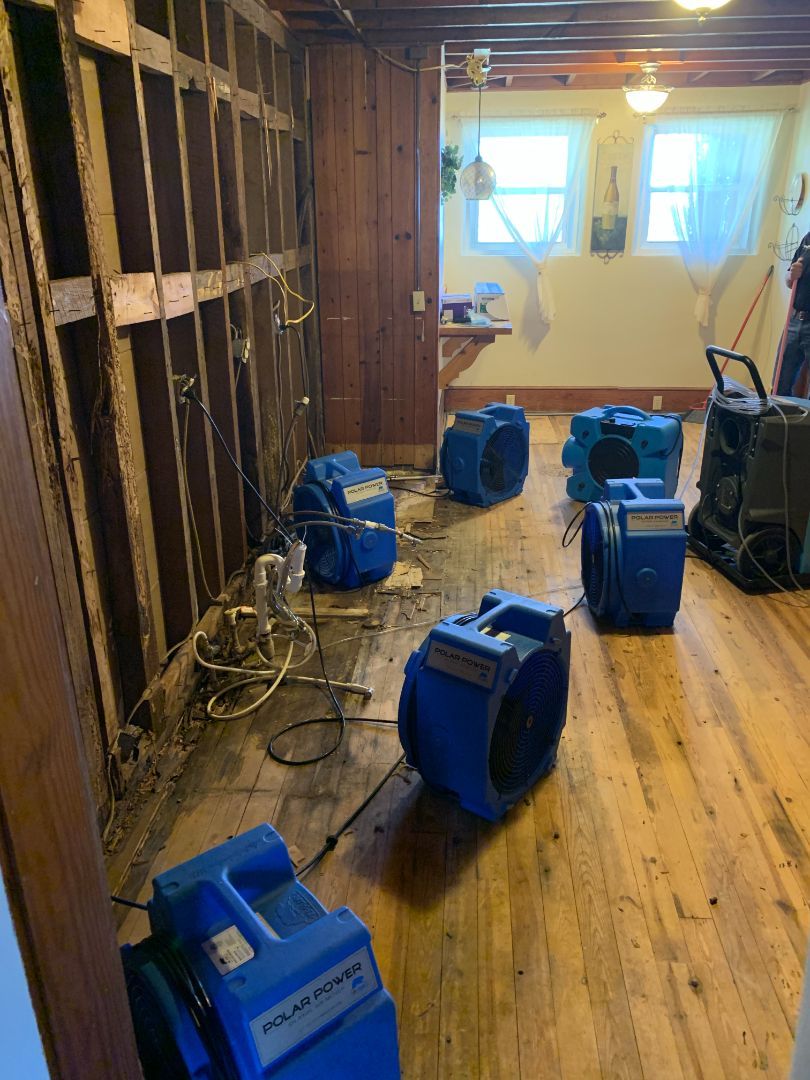
If water has entered your home, professional drying should begin as soon as possible. Moisture trapped in insulation, drywall, or subflooring can spread and create secondary damage.


Damage restoration focuses on stabilizing affected areas before the rebuild phase begins. This may include:

  • Water extraction
  • Structural drying
  • Debris removal
  • Roof tarping
  • Board-up services


The faster mitigation begins, the more you reduce the risk of long-term complications.

7. Understand That Restoration Comes Before Reconstruction

Many homeowners expect repairs to start immediately. In reality, restoration often comes first.


After storm damage, cleanup and drying must happen before rebuilding begins. Skipping that step can cause bigger problems down the road.


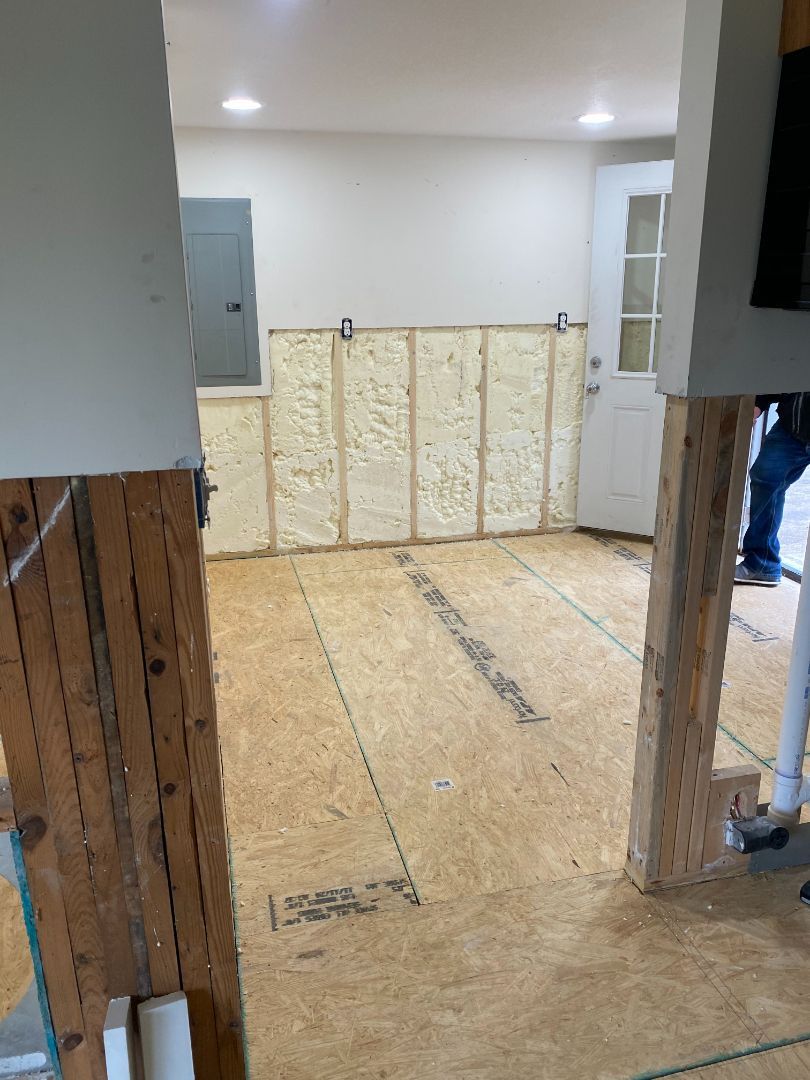
Once the home is fully stabilized and documented for your insurance company, reconstruction can move forward. That may include replacing roofing, drywall, flooring, or structural components.


Understanding this sequence helps set realistic expectations and prevents frustration during the process.

8. Watch for Delayed Signs of Damage

Even after the initial response, keep an eye on your home.


Over the next few days or weeks, watch for:

  • Musty smells
  • Stains on ceilings or walls
  • Warped flooring
  • Increased indoor humidity
  • Cracks near doors or windows


Western North Carolina’s humidity can worsen water damage that wasn’t fully visible right away. If you notice changes, contact your contractor promptly.

Why Acting Quickly Matters in Western North Carolina

Storm systems in this region can be intense. Mountain slopes accelerate water flow. Soil saturation can impact foundations. High humidity creates ideal conditions for mold growth.


Because of these local factors, storm damage often extends beyond what you see at first glance.


Taking fast, informed action protects your home, your finances, and your peace of mind.

Moving Forward with Confidence

Experiencing storm damage is stressful. But having a clear plan makes a big difference.


Start with safety. Document everything. Contact your insurance company. Schedule a professional inspection. Begin mitigation quickly.


With the right steps — and the right team — recovery becomes manageable.


Storms may be part of life in Western North Carolina. Long-term damage doesn’t have to be.

Recent Posts

Dark, narrow crawl space with pipes, electrical wiring, and a hose. Wet flooring and exposed wooden beams.
By Foothills Construction & Restoration February 12, 2026
Learn how the construction process works after water damage mitigation in Western North Carolina, from drying and insurance approval to full rebuild.
Basement interior with exposed studs, gray walls, and water damage on the floor.
By Foothills Construction & Restoration February 12, 2026
Learn the difference between restoration and reconstruction after water or storm damage in Western North Carolina and why it matters.