
Older Home Remodeling in Asheville, NC: What to Know
Can You Remodel an Older Home in
Asheville, NC?
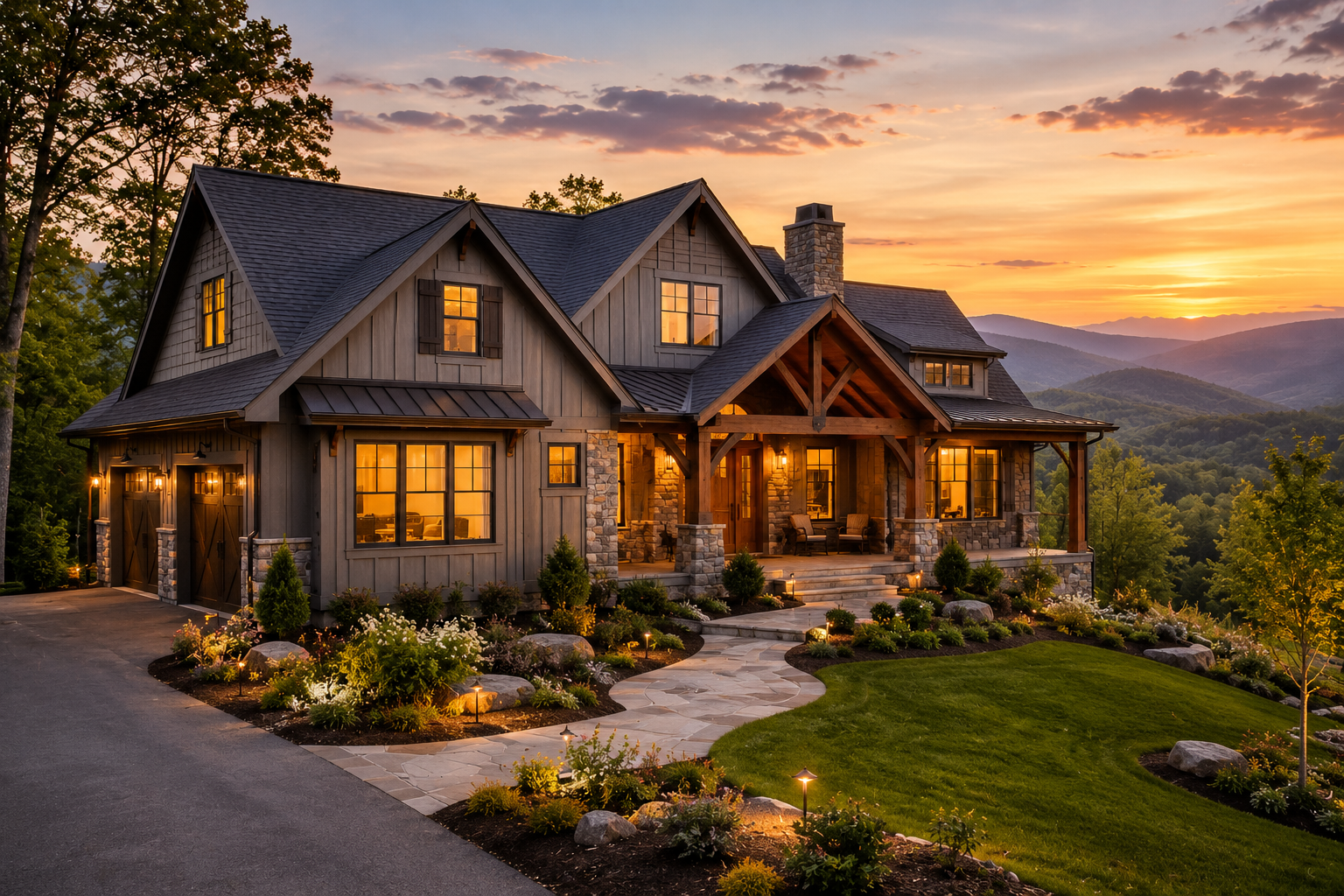
Yes. Older homes in Asheville, NC can often be extensively remodeled while preserving the character that makes them appealing in the first place. The key is understanding the home's existing structure, identifying hidden problems early, and creating a renovation plan that addresses construction needs before focusing on finishes.
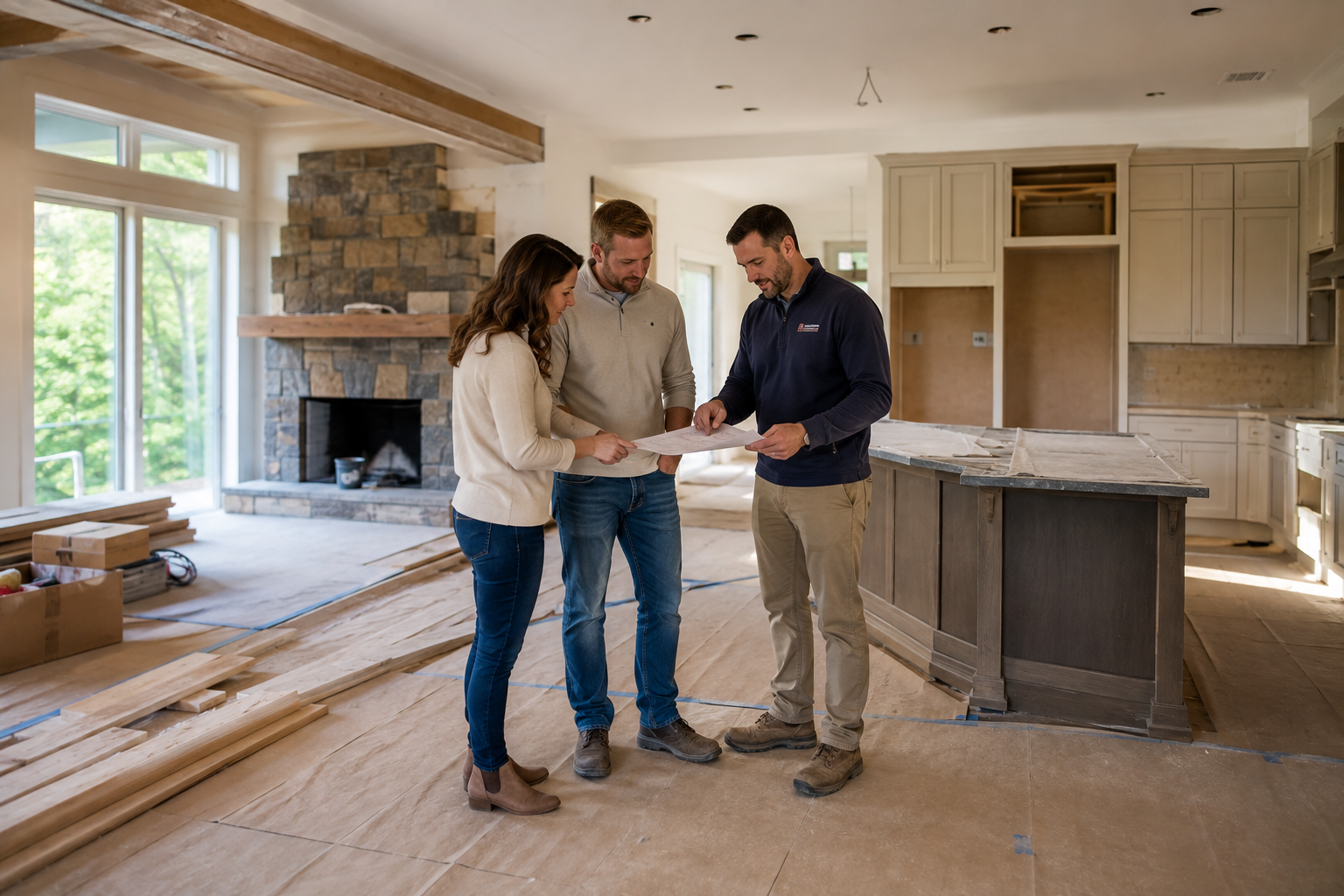
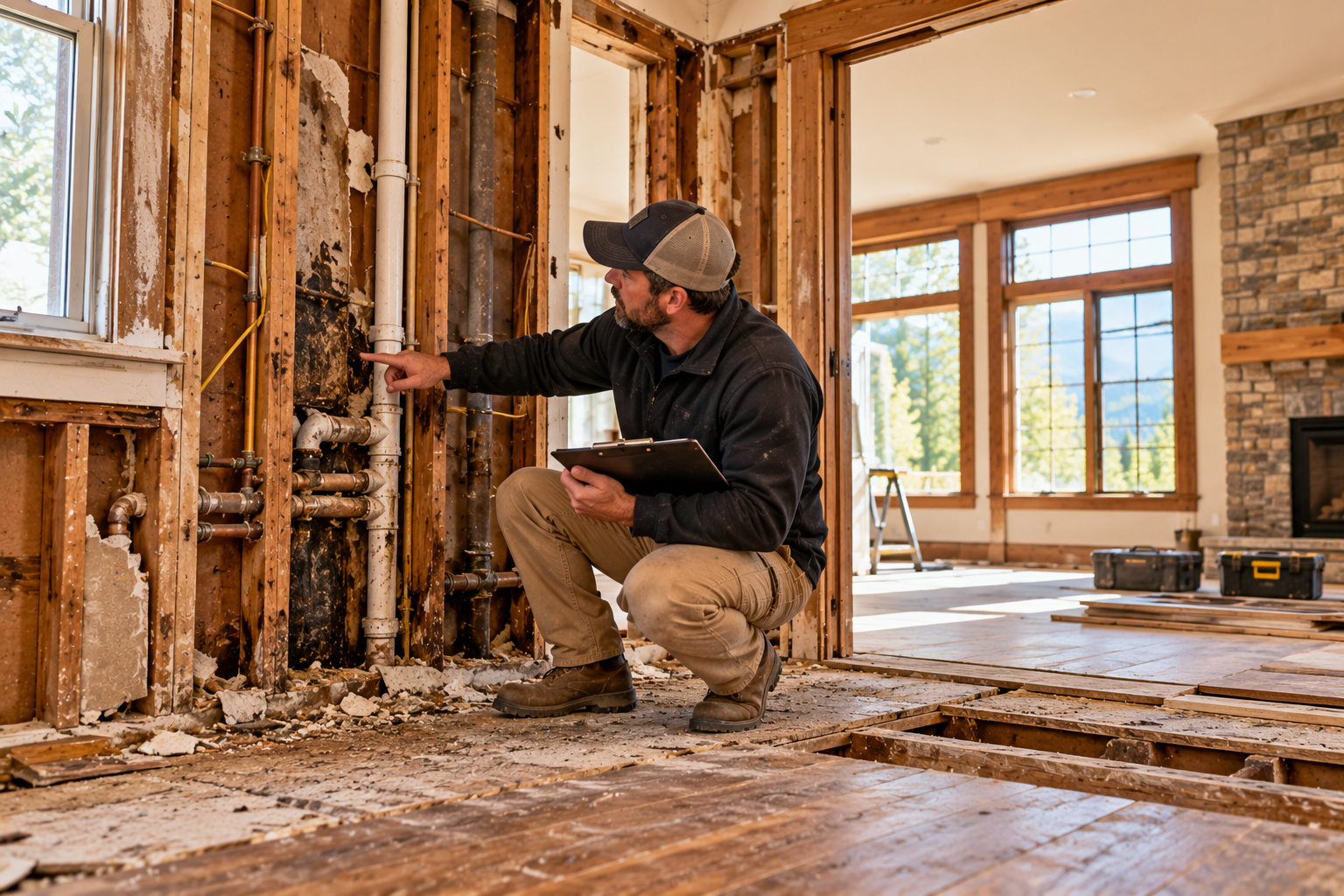
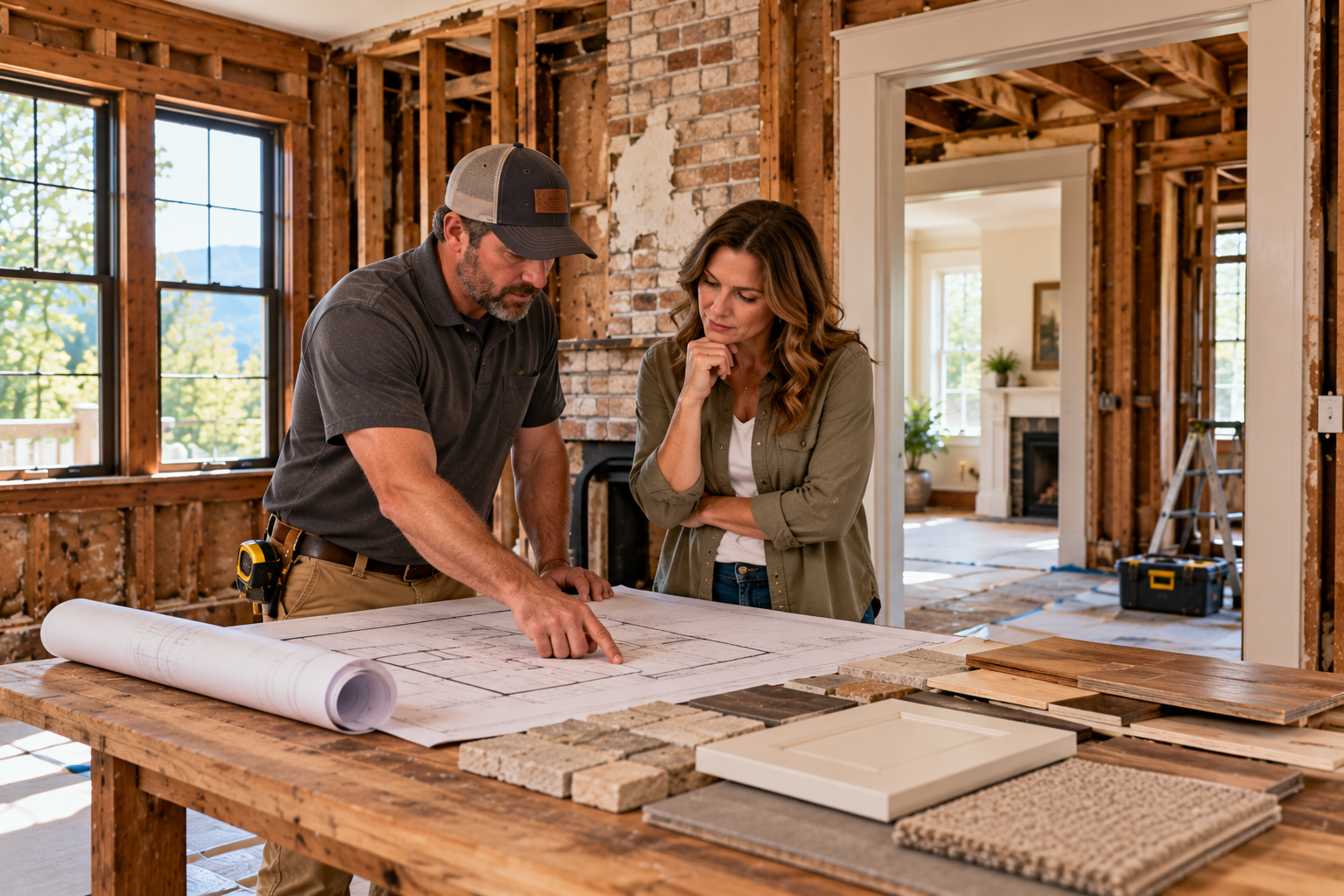
An older-home renovation may involve more than updating a kitchen or replacing flooring. Once walls, cabinets, or old materials are removed, contractors may uncover aging plumbing, outdated electrical systems, previous water damage, uneven framing, moisture concerns, or repairs made by past owners.
That does not mean an older house is a poor remodeling candidate. It means the project should be approached as a renovation of an existing structure rather than treated like new construction.
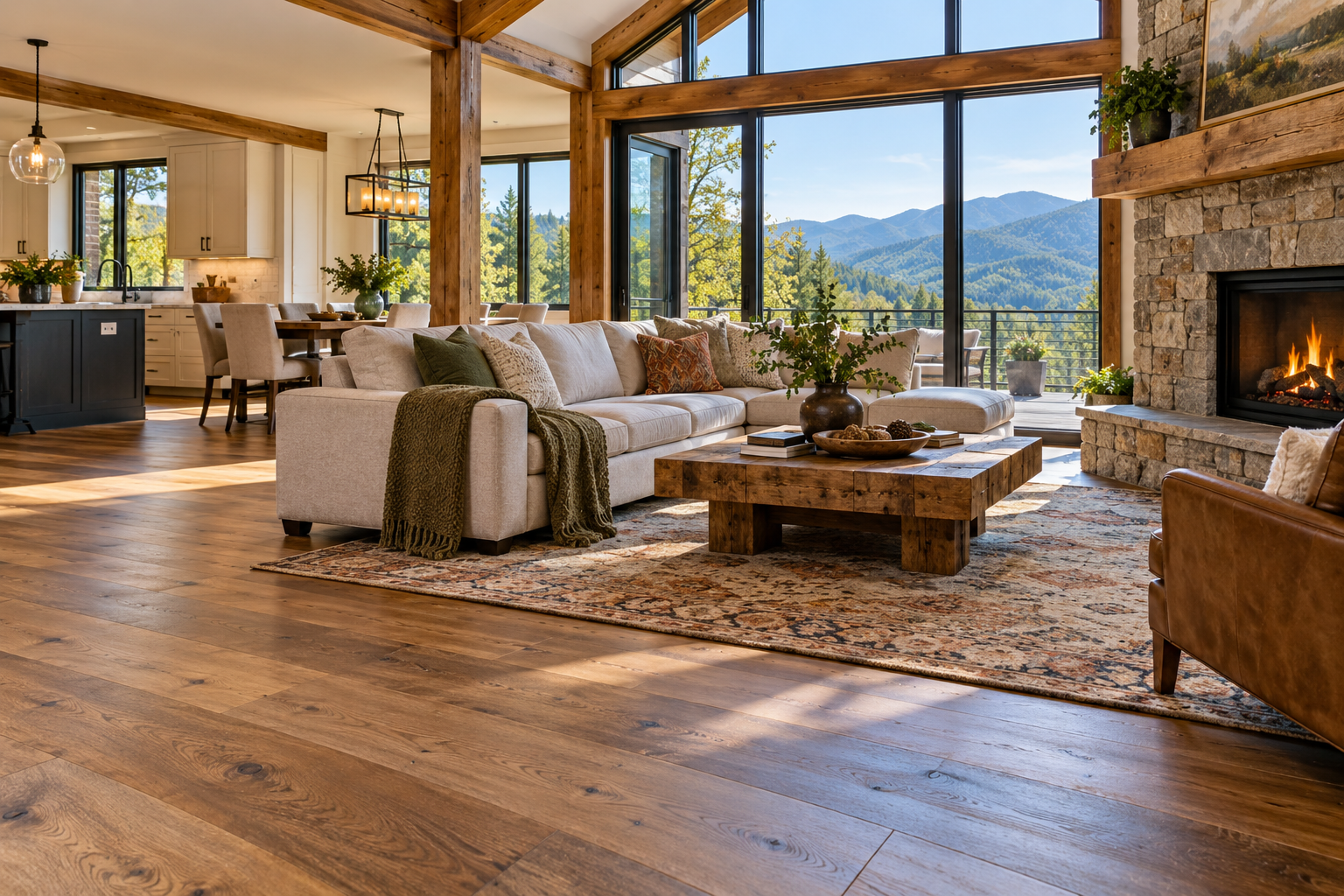
For homeowners in Asheville and throughout Western North Carolina, a thoughtful remodel can improve function, comfort, storage, flow, and style while retaining the qualities that give an older home its personality.

Can an Older Asheville Home Be Remodeled Successfully?
Absolutely. Many older homes can be transformed without losing what makes them distinctive.
A successful remodel begins by determining which elements should remain, which need repair, and which should be replaced or reconfigured.
Depending on the property, a renovation might include:
- Kitchen remodeling
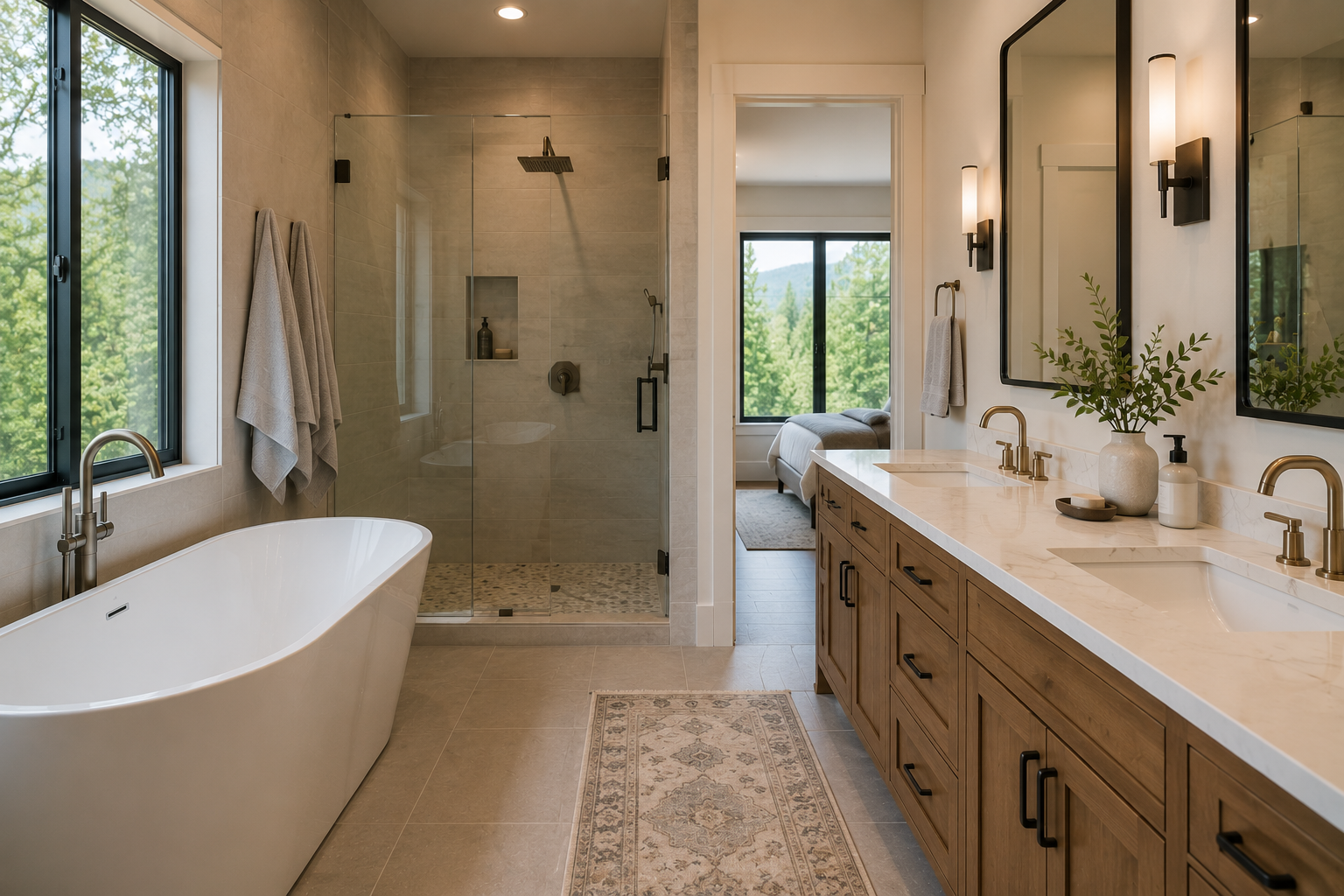
- Bathroom remodeling
- New flooring
- Cabinetry and built-in storage
- Interior wall changes
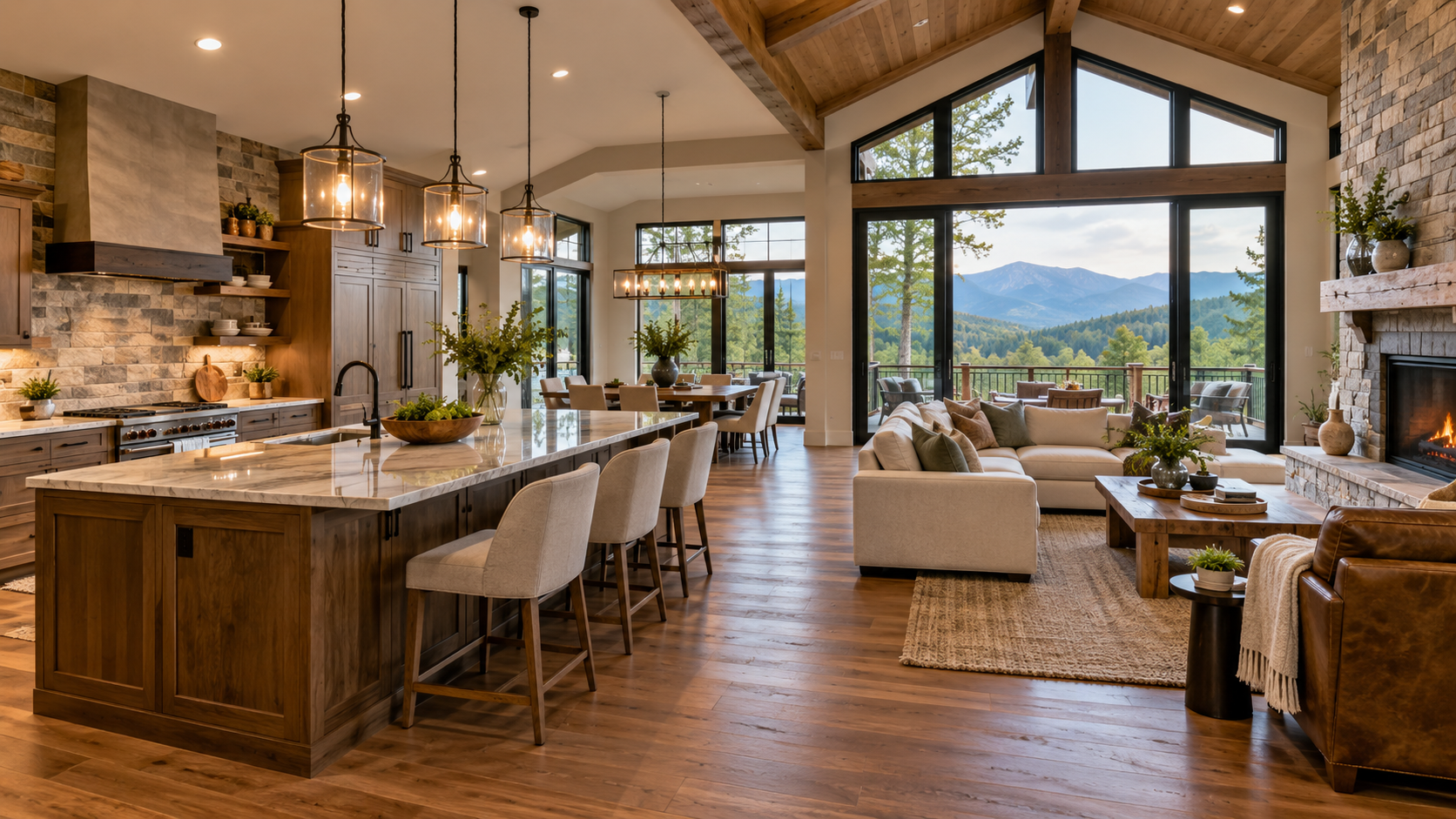
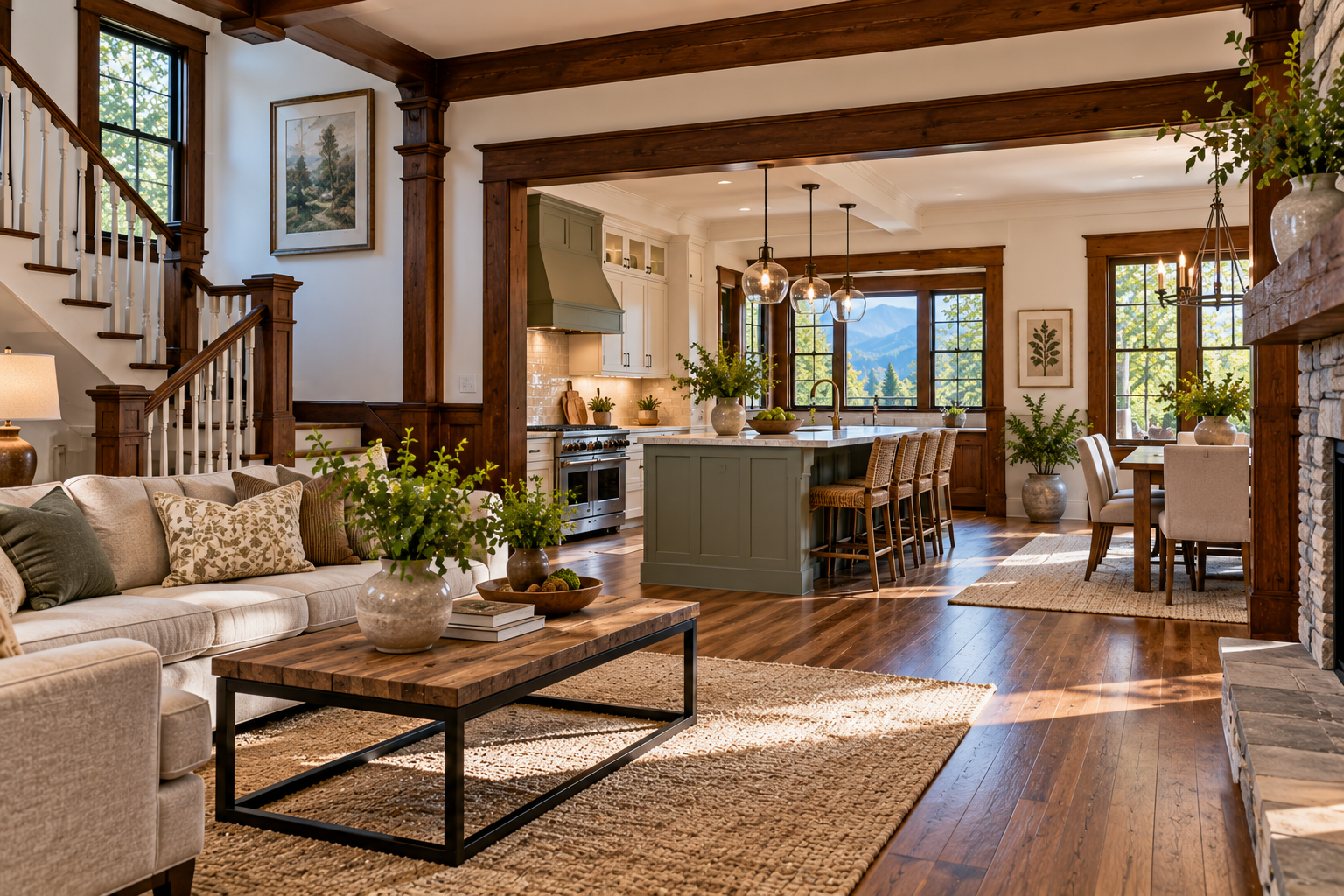
- Open-concept living areas
- Electrical updates
- Plumbing updates
- Drywall and trim repairs
- Roofing
- Siding
- Decking
- Structural repairs
- Water-damage reconstruction
- Accessibility improvements
Some projects focus primarily on appearance. Others involve major construction behind the walls.
Understanding that distinction before work begins can help create a more realistic remodeling plan.
What Should You Inspect Before Remodeling an Older Home?
Before making finish selections, homeowners should understand the existing condition of the house.
Important areas to evaluate may include:
- Foundation and structural framing
- Roof condition
- Signs of previous water intrusion
- Plumbing
- Electrical systems
- Windows and exterior openings
- Crawlspace or lower-level moisture
- Subfloor condition
- Insulation
- Existing additions or past renovations
Older homes often have a history.
A room may have been altered decades ago. Plumbing may have been updated at a different time than the electrical system. A previous owner may have repaired one section of flooring without correcting the underlying problem.
A contractor should look at the home as a complete structure rather than assuming everything behind the finished surfaces is original or in the same condition.

What Hidden Problems Can Be Found During an Older Home Remodel?
Demolition sometimes reveals conditions that were impossible to see during the initial walkthrough.
Possible discoveries include:
- Water-damaged wood
- Deteriorated subflooring
- Improper previous repairs
- Plumbing leaks
- Old or damaged wiring
- Framing irregularities
- Moisture behind walls
- Insulation deficiencies
- Pest damage
- Structural changes made during earlier renovations
This is one reason an older-home renovation should include some flexibility.
A good remodeling plan establishes the intended scope while recognizing that previously concealed areas may require additional work once they become accessible.
Should You Open Up the Floor Plan in an Older
Asheville Home?
Sometimes, but not automatically.
Many homeowners want to create a more open connection between the kitchen, dining area, and living room. In the right house, that can dramatically improve natural light, entertaining space, and everyday circulation.
However, removing a wall is not simply a design decision.
Before altering the floor plan, the contractor needs to determine whether the wall has a structural function and whether plumbing, electrical wiring, HVAC components, or other systems pass through it.
In some homes, a fully open floor plan is the best solution. In others, widening an opening or selectively reconfiguring rooms may preserve more of the home's original character while still improving function.
The goal should be a layout that feels appropriate for both the house and the people living in it.

How Can You Modernize an Older Home Without
Losing Its Character?
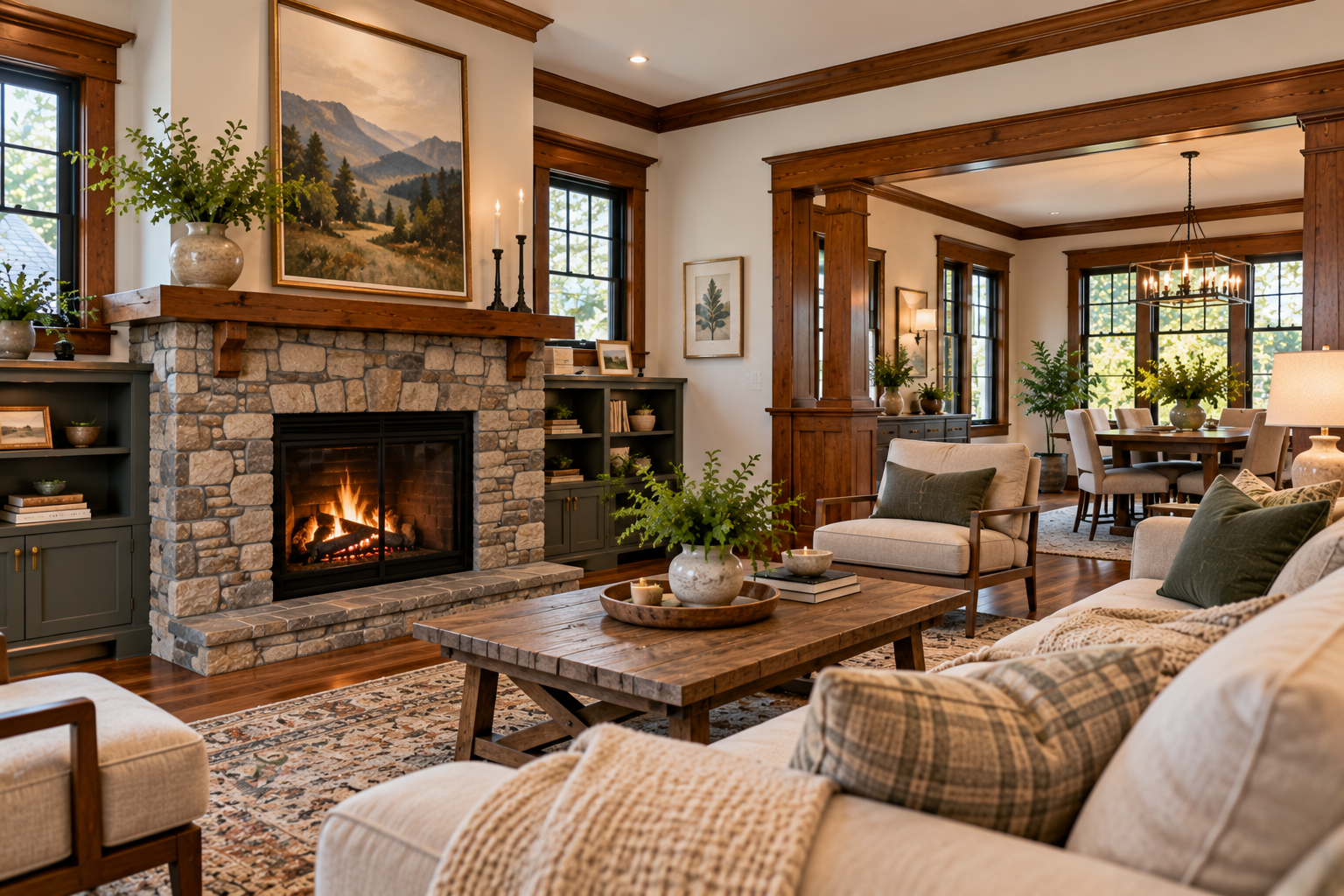
The most successful older-home remodels or historic home remodels usually do not try to erase everything that came before.
Original or character-defining features may include:
- Hardwood floors
- Wood trim
- Interior doors
- Fireplaces
- Built-in cabinetry
- Stair details
- Architectural openings
- Natural stone
- Exposed beams
- Distinctive room proportions
Some features may be worth restoring. Others can inspire new materials even when the originals cannot be saved.
For example, new cabinetry can provide modern storage while using finishes that complement existing woodwork. New flooring can connect remodeled areas with portions of the house that remain unchanged.
The finished home should feel renewed rather than disconnected from its architecture.
Why Is Moisture Especially Important in Western North Carolina Homes?
Water and moisture should be taken seriously during any renovation, particularly when working on an older home.
Western North Carolina properties can have a variety of conditions involving roofs, crawlspaces, drainage, wooded lots, plumbing, and exterior exposure.
During an older-home remodel, contractors may encounter:
- Previous roof leaks
- Plumbing leaks
- Damp crawlspaces
- Damaged subflooring
- Deteriorated framing
- Poor ventilation
- Moisture around windows or doors
- Mold or mildew concerns
Installing new flooring, cabinets, or drywall over an unresolved moisture problem does not solve it.
The source of the moisture should be identified and addressed before the new construction is completed.

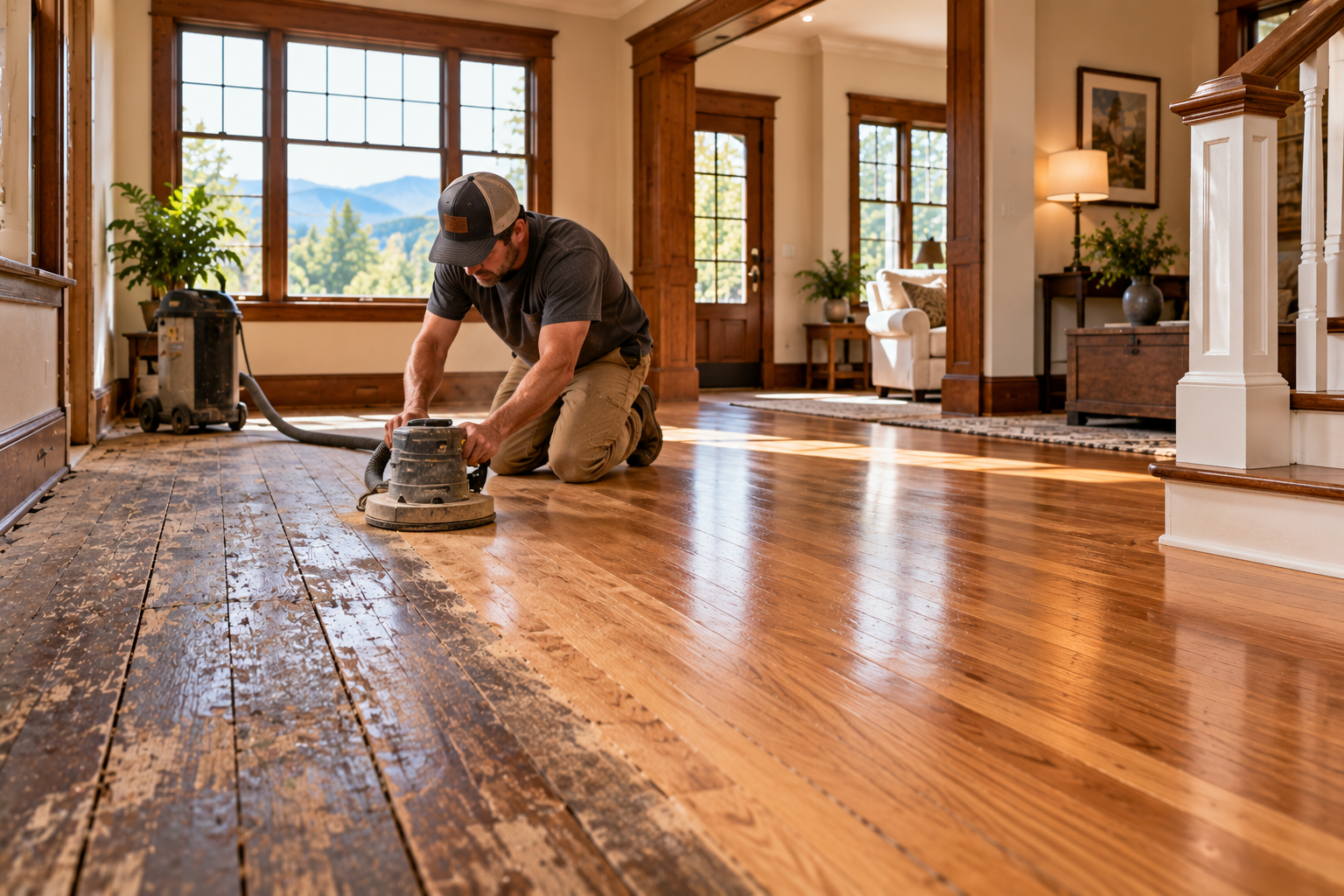
Should You Replace or Restore Original Hardwood Floors?
That decision depends on the condition of the flooring and the goals of the renovation.
Original hardwood can add significant character to an older home, particularly when it relates to the home's architectural style.
However, existing floors may have:
- Deep damage
- Excessive movement
- Missing sections
- Water staining
- Previous patchwork repairs
- Major height differences
- Subfloor problems underneath
A contractor can help determine whether preserving the existing floor makes sense or whether replacement will provide a better long-term result.
The decision does not have to be the same throughout the entire house.
Should Electrical and Plumbing Be Updated During an Older-Home Remodel?
Electrical and plumbing systems should be evaluated whenever a renovation exposes or significantly affects them.
Kitchen and bathroom remodeling can be an especially good time to consider these systems because walls, cabinetry, fixtures, and flooring may already be changing.
The work required will depend on the existing house and the remodeling scope.
Addressing necessary behind-the-wall improvements while areas are already open can be more practical than discovering later that finished surfaces need to be disturbed again.

Why Does Restoration Experience Matter When Remodeling an Older Home?
Remodeling an older home sometimes crosses into restoration and reconstruction.
Once demolition begins, contractors may discover water-damaged framing, deteriorated subflooring, previous storm damage, or areas that require more than cosmetic renovation.
A contractor experienced in both remodeling and restoration can evaluate those conditions as part of the larger construction project.
Foothills Construction & Restoration works across both sides of that process—addressing damaged areas when necessary and continuing through reconstruction, flooring, cabinetry, roofing, and finish work.
That can be particularly useful when the condition of an older house is not fully known before construction begins.
Is It Better to Remodel an Older Home All at Once?
It depends on the project.
Some homeowners prefer a whole-home remodel because related construction can be coordinated together.
For example, changing the floor plan may affect the kitchen. The kitchen may affect flooring. Flooring may connect into other rooms. Electrical or plumbing updates may extend beyond one isolated space.
Other homeowners choose to remodel in phases.
Even when the work will be completed over time, developing an overall plan first can help prevent one phase from conflicting with decisions made later.

How Do You Choose a Contractor for an Older Home Remodel in Asheville?
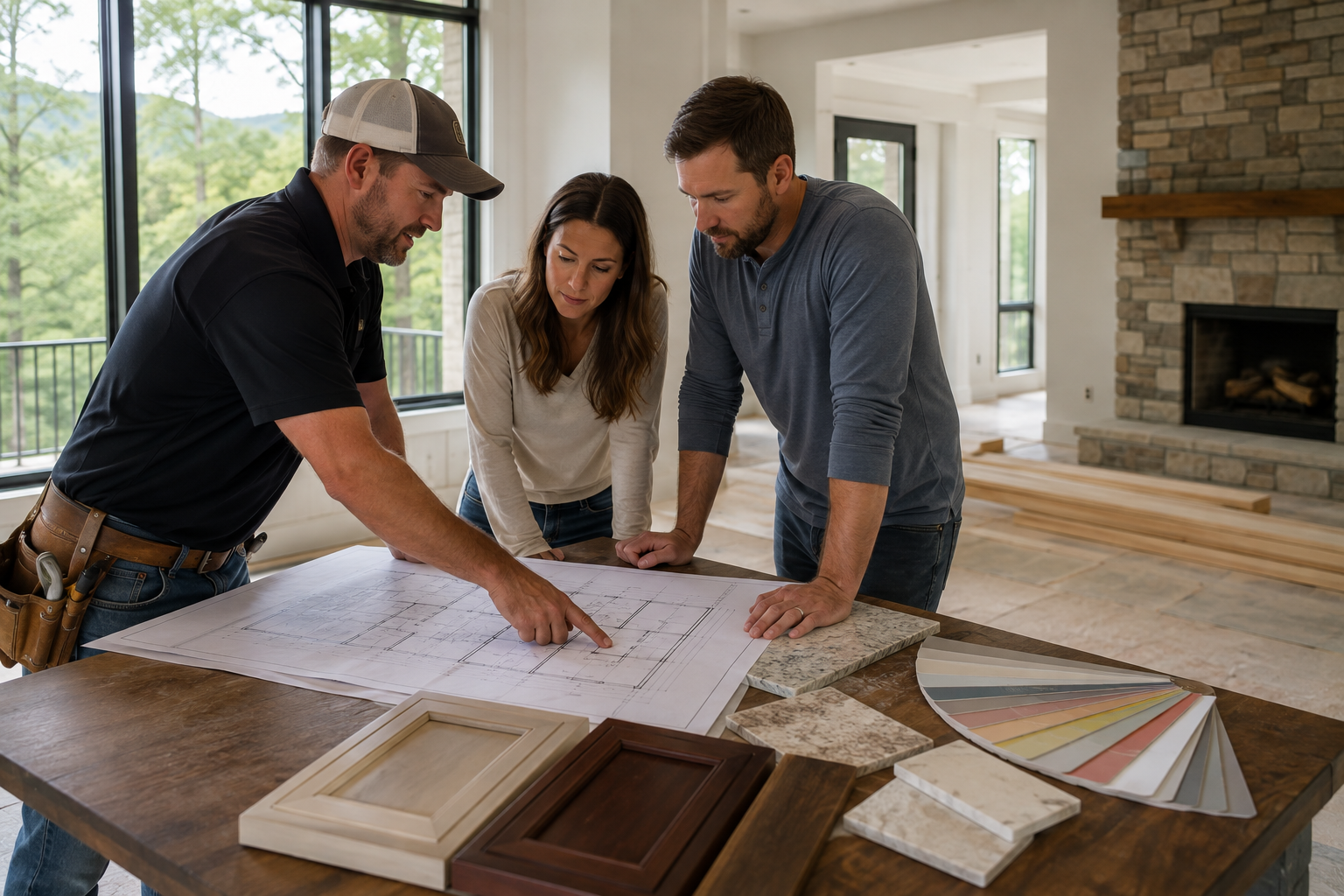
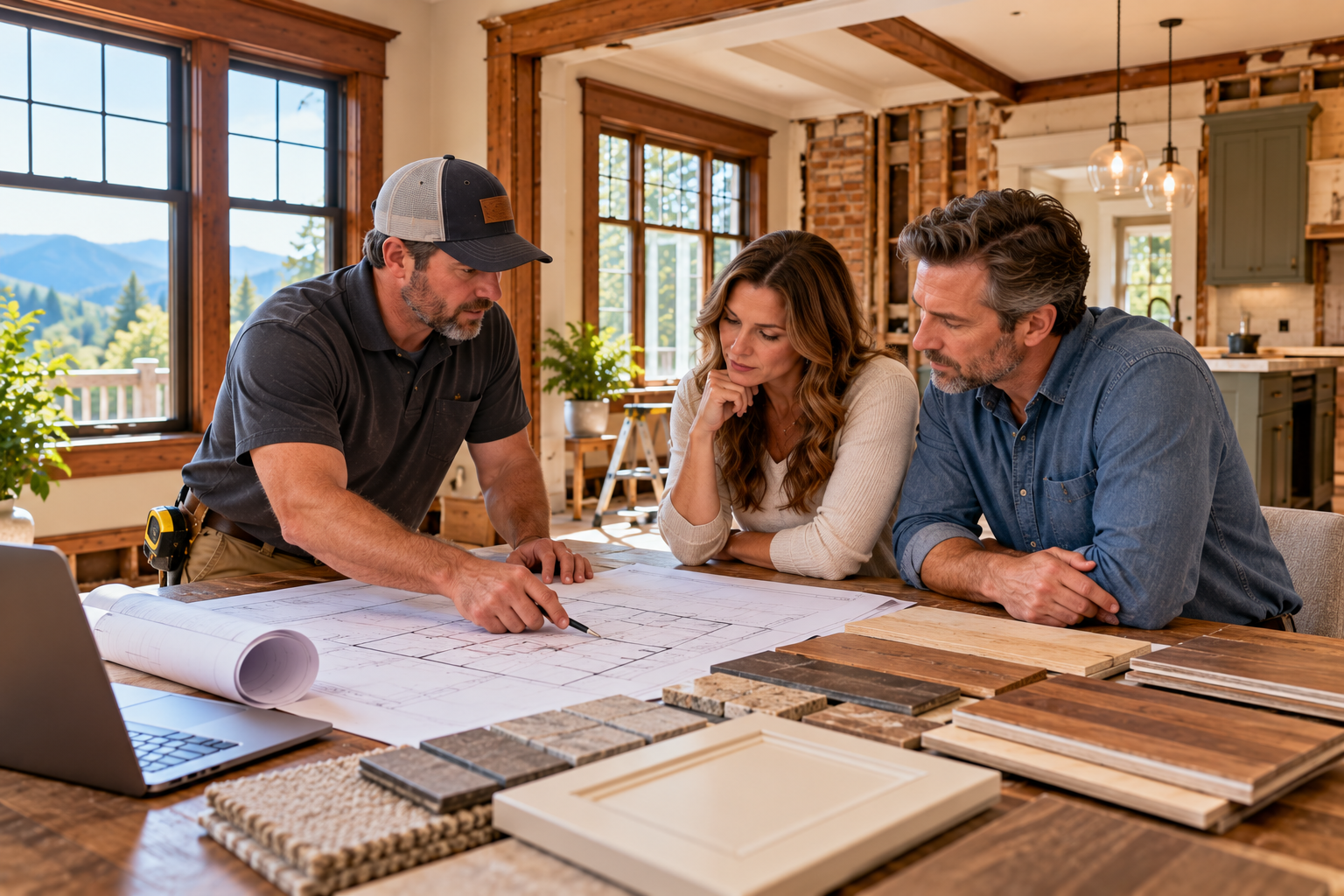
Look for a contractor who understands that remodeling an existing home is different from simply installing new finishes.
Important considerations include:
- Experience with remodeling and reconstruction
- Ability to coordinate multiple trades
- Clear communication
- Careful evaluation of existing conditions
- Flooring and cabinetry coordination
- Experience addressing unexpected damage
- Project scheduling
- Professional installation
- Ability to manage both structural and finish work
Older-home remodeling often requires problem solving as construction progresses.
Having one general contractor overseeing the larger project can simplify that process.
Is Remodeling an Older Asheville Home Worth It?
For homeowners who like their location, property, architecture, or neighborhood, remodeling can provide a way to create a home that works better without giving up the qualities they already value.
A renovation can improve:
- Layout
- Storage
- Kitchens and bathrooms
- Flooring
- Comfort
- Accessibility
- Interior finishes
- Exterior condition
- Overall functionality
The most important step is understanding the house before deciding how much of it should change.
If you are considering remodeling an older home in Asheville, Marion, Black Mountain, Morganton, McDowell County, or another Western North Carolina community, Foothills Construction & Restoration can help evaluate the existing property and coordinate the project from demolition and repairs through flooring, cabinetry, construction, and final finishes.
Frequently Asked Questions
Q: Can you completely remodel an older home in Asheville, NC?
A: Yes. Many older homes can be extensively remodeled. The project may include layout changes, kitchens, bathrooms, flooring, cabinetry, electrical and plumbing work, structural repairs, roofing, and other improvements depending on the home's condition.
Q: What problems are commonly discovered when remodeling an older house?
A: Contractors may uncover previous water damage, outdated plumbing or electrical components, uneven framing, deteriorated subfloors, moisture issues, insulation deficiencies, or repairs completed during earlier renovations.
Q: Can you remove walls in an older home?
A: Sometimes. The wall should first be evaluated to determine whether it has a structural function and whether plumbing, electrical, HVAC, or other building systems are located inside it.
Q: Should original features be kept during an older-home renovation?
A: When they are in good condition and fit the homeowner's plans, original hardwood, trim, fireplaces, doors, built-ins, and other architectural details can often become part of the updated design.
Q: Can original hardwood floors be saved during remodeling?
A: In some homes, yes. Their condition, previous damage, subfloor, missing sections, and overall remodeling plan will help determine whether restoration or replacement is the better approach.
Q: Should plumbing and electrical systems be checked during an older-home remodel?
A: Yes. Renovation work that exposes walls, kitchens, bathrooms, or other areas provides an opportunity to evaluate the existing systems and determine whether updates are needed.
Q: Can you live in an older house while it is being remodeled?
A: Sometimes. It depends on the extent of demolition, which rooms are affected, whether utilities will be interrupted, and how much of the home remains safely usable during construction.